Evolving Role of Cannabis Dispensaries in Contemporary Society
Cannabis dispensaries have transformed dramatically over the past decade, evolving from niche storefronts into highly regulated, consumer-driven establishments. These spaces now serve as essential hubs for individuals seeking both recreational and medicinal cannabis products. Their growing presence reflects shifting societal attitudes, increased legalization, and a deeper understanding of cannabis as a wellness resource. Modern dispensaries aim to provide customers with not only products but also education, safety, and transparency. This evolution underscores the rising demand for curated experiences, high-quality strains, and knowledgeable staff who can guide consumers in making informed decisions. As cannabis acceptance expands globally, dispensaries are becoming more professional, customized, and community-focused than ever before.
Product Diversity and Customization Within Cannabis Dispensaries
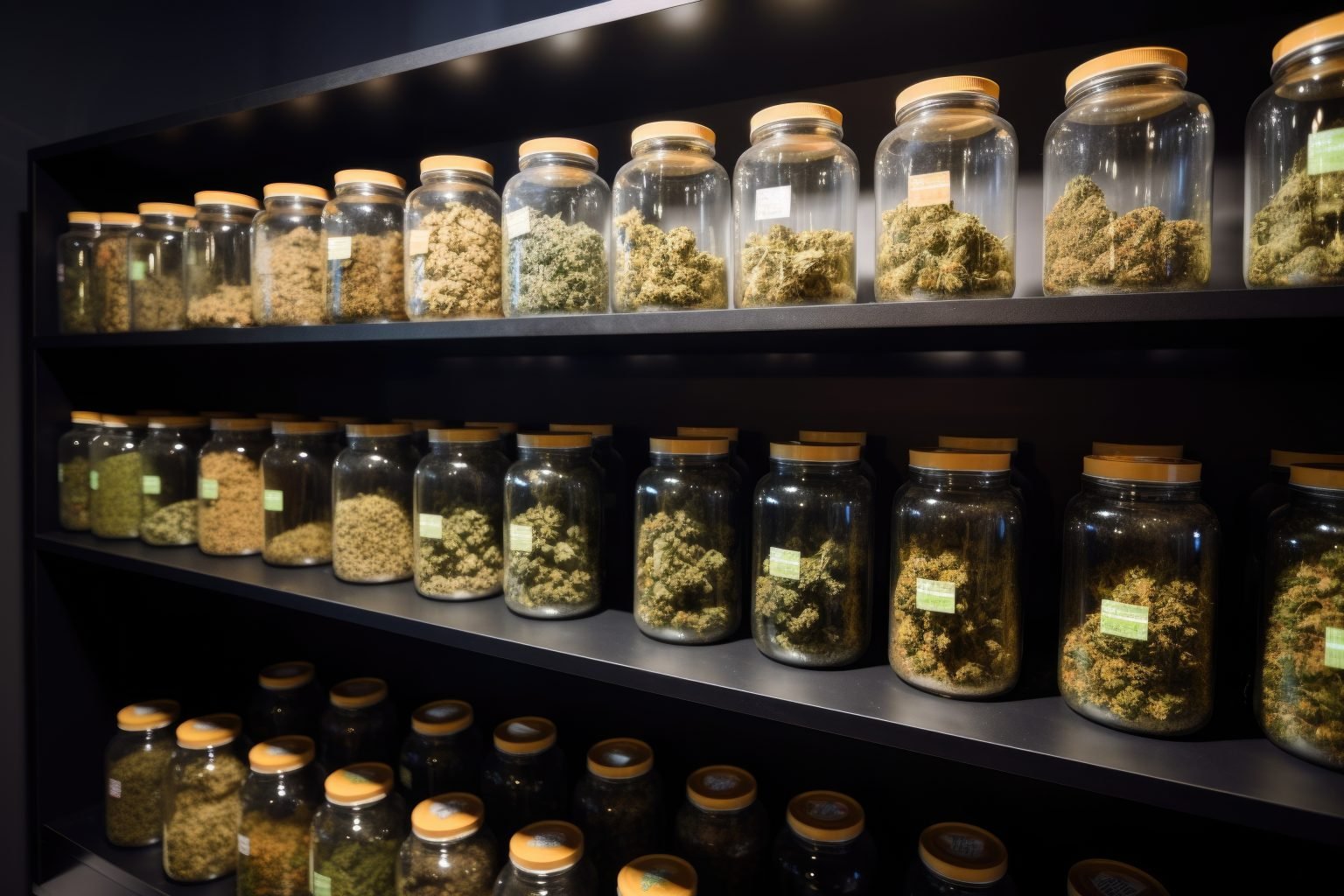
One of the key reasons cannabis dispensaries continue to gain popularity is the extensive product variety they offer. Consumers today expect more than just dried flower; they seek edibles, concentrates, tinctures, vape cartridges, topicals, and micro-dosed options that can be tailored to their personal preferences. Dispensaries play a crucial role in curating this diverse assortment, ensuring that every product meets regulatory standards for purity, potency, and safety. Many dispensaries also incorporate laboratory testing results, allowing customers to select items based on cannabinoid profiles, terpene content, and expected effects. This level of customization gives users freedom to explore products that align with their needs, whether for pain management, relaxation, creativity, or general wellness. Such variety ensures that dispensaries serve both experienced consumers and newcomers with equal attentiveness.
Customer Experience and Education as Core Dispensary Values
The foundation of any successful dispensary lies in its commitment to customer education and personalized service. Unlike traditional retail environments, cannabis dispensaries often employ trained budtenders who offer detailed guidance about dosing, consumption methods, strain differences, and potential side effects. These professionals help demystify cannabis use, making the experience less intimidating for first-time users while still providing expert insight for seasoned enthusiasts. Knowledgeable staff not only enhance customer satisfaction but also contribute to safer and more responsible cannabis consumption. Many dispensaries go further by offering informational workshops, online resources, and one-on-one consultations. This educational approach builds trust, reduces stigma, and equips consumers with the tools to make choices aligned with their lifestyle and health goals, thus elevating the overall dispensary experience.
Regulation, Compliance, and Operational Standards in Dispensaries
Strict regulations govern the operation of cannabis dispensaries, ensuring that every product sold is safe and compliant with local laws. These standards mandate secure facilities, controlled inventory tracking, age verification procedures, and quality testing. For consumers, this structure provides reassurance that the products they purchase meet high safety benchmarks. For dispensary owners, compliance requires significant investments in staff training, record-keeping, and infrastructure. Additionally, operational protocols often include seed-to-sale tracking systems that monitor cannabis movement dispensary near me from cultivation to consumer purchase. Dispensaries must also navigate zoning laws, licensing requirements, and ongoing inspections. While these regulations can be challenging, they ultimately contribute to a well-organized and trustworthy marketplace. The emphasis on compliance helps normalize cannabis as a legitimate industry and strengthens consumer confidence.
Community Impact and the Future Landscape of Cannabis Dispensaries
As dispensaries continue to expand, their role within local communities becomes increasingly impactful. They contribute to economic growth by creating jobs, supporting local suppliers, and generating tax revenue that can be reinvested in public services. Many dispensaries also engage in community outreach, participating in charity events, educational initiatives, and partnerships that promote wellness and social equity. The future of cannabis dispensaries may include more digital integration, such as online ordering, virtual consultations, and AI-driven product recommendations. Additionally, trends point toward boutique-style dispensaries that offer immersive experiences, sustainability-focused operations, and expanded wellness services. As legalization spreads and consumer demand evolves, dispensaries are positioned to play a pivotal role in shaping the broader cannabis ecosystem, offering a blend of innovation, accessibility, and community-centered values.